

At Fremco we have 30 years of experience within the fiber blowing industry developing fiber blowing machines for contractors all over the world.
When planning a fiber network, the installation method can have a direct impact on manpower, installation speed, cable protection, and total project cost.
There are different ways to do fiber network, for example, the traditional fiber pulling that has been around for decades. Here, the primary reliance is on manual labor, with relatively little use of machinery for short distances.
Then there is fiber blowing where compressed air is used to reduce friction when the cables are pushed long distances into conduits. It is an efficient operational way also for complex, long routes. The machine protects the fragile and expensive fibers and enable less hard and manual labor.
Depending on the job to be performed, both solutions have advantages. But have you considered that what method - and equipment to invest in - may also be beneficial for future projects and affecting your ROI?
The main difference between the two methods is:
The manual labor needed
The protection of the cable
The distance of the installation
The timeframe in carrying out the job
The flexibility and scalability for future need
Do you want to learn more about fiber blowing and what it can do for your next project?
Go to our webpage: https://fremco.dk/air-blown-fiber-vs-pulling-which-method-is-right-for-your-network/

Corning introduces Contour Form Micro Cable: 432 fibers in a 10 mm micro duct
Council member Corning has expanded its high-density cable portfolio with Contour Form™ Micro Cable, a 432-fiber micro cable built on its Contour™ 190-micron fiber platform.
Emtelle unveils Rapid Customer Connect for faster FTTH customer connections
Council member Emtelle has launched Rapid Customer Connect (RCC), an award-winning deployment model that pre-installs the fiber pathway to the property boundary, so homes and businesses are ready to connect when they order.
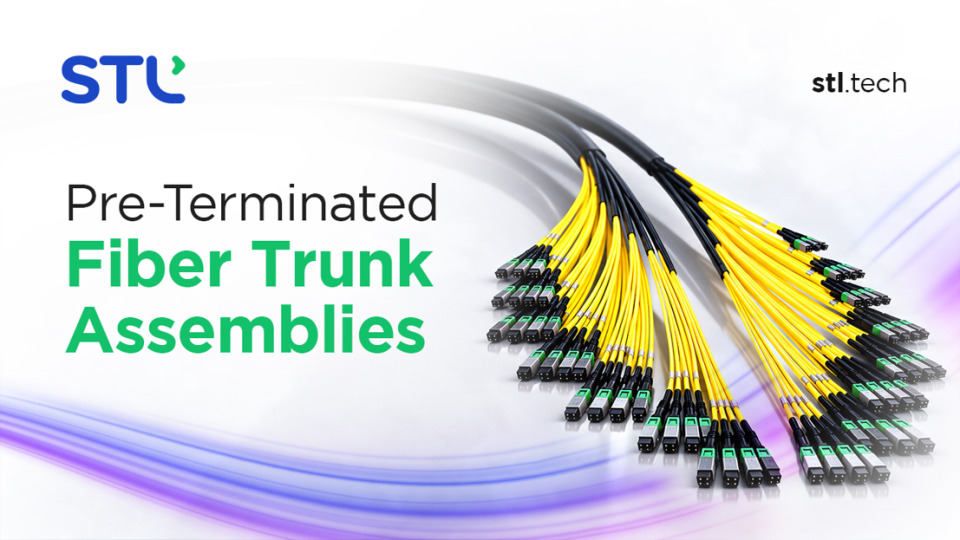
STL expands its Neuralis portfolio with pre-terminated fiber trunk assemblies for hyperscale data centers
Council member STL has added indoor and indoor/outdoor pre-terminated trunk assemblies, from 48 up to 6,912 fibers, to its Neuralis data center portfolio.